Field planning guide / Net & Lu Builders
How Coordination Helps Prevent Steel Schedule Delays
See how document readiness, site access, procurement, and trade handoffs affect steel schedules, and what teams can coordinate early.
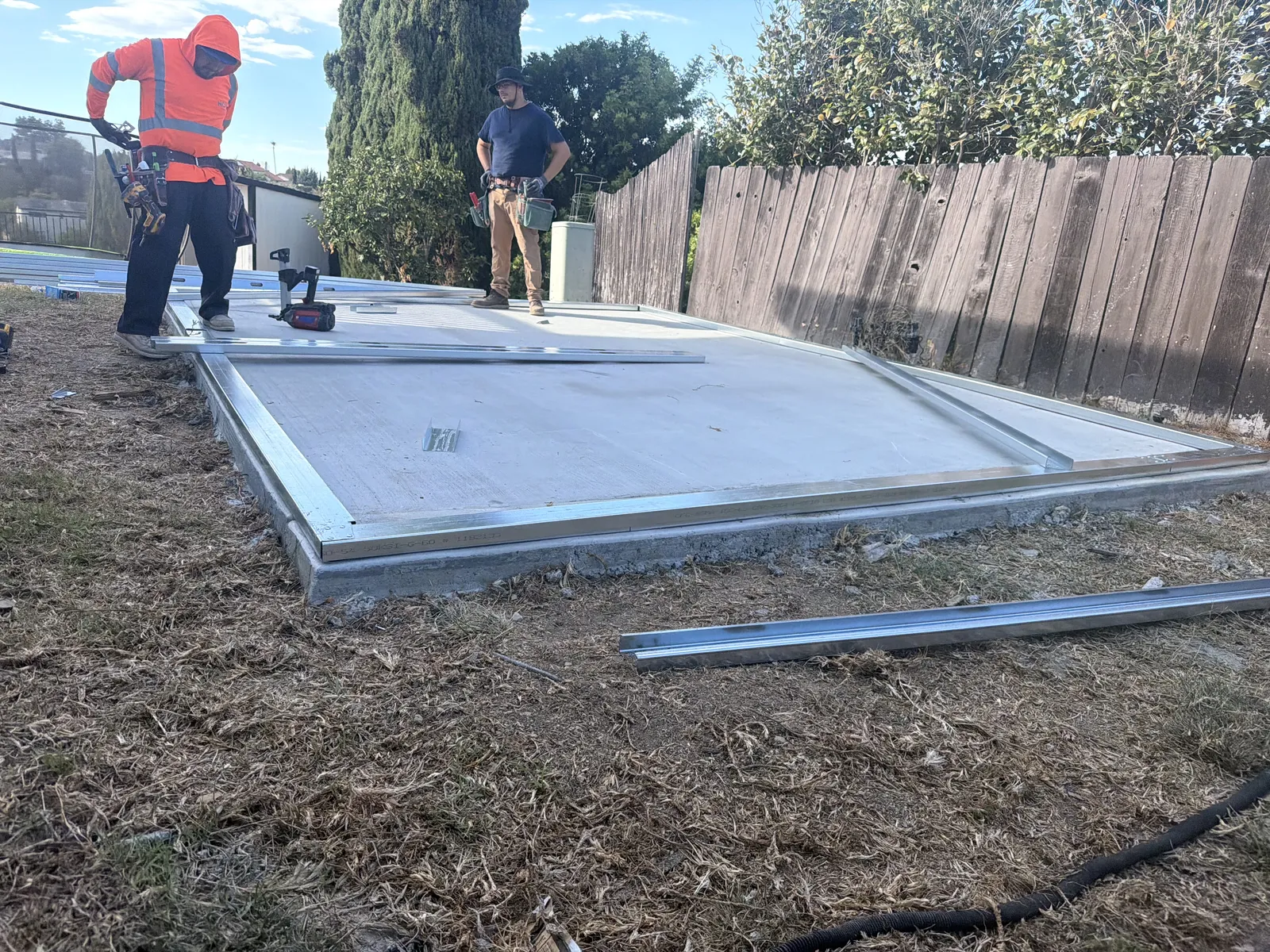
Make schedule prerequisites visible
Steel activities depend on decisions and conditions outside the installation crew’s control. Drawings may still be changing, connection or embed information may be incomplete, survey control may not be established, supporting concrete may not be released, or the work area may be occupied by another operation. A schedule that lists only “steel start” hides these dependencies until they interfere with work.
Build a prerequisite list backward from each installation area. Identify the information needed, its responsible author or approver, the latest useful decision date, and the field condition that must be accepted. For material-dependent work, show the approval, release, fabrication, delivery, and installation milestones separately. The project’s actual procurement and review durations should inform dates; do not assume a generic lead time.
- Name an owner and needed-by date for each open design or coordination decision.
- Tie area release to measurable conditions such as access, substrate acceptance, and current information.
- Show procurement and delivery steps as dependencies, not as a single calendar milestone.
Resolve conflicts before they reach the field
Coordinate structural, architectural, and building-system information where members, penetrations, openings, and finishes converge. Review connection zones, edge conditions, embeds, sleeves, equipment supports, glazing interfaces, and required clearances. Use coordinated views or focused detail reviews to isolate high-risk locations; a general statement that drawings were reviewed is not enough to establish that a specific clash has been addressed.
When a conflict needs design direction, submit a concise question with the drawing references, location, dimensions or observed condition, and the decision needed. Explain which activities depend on the answer. Avoid directing crews to make an undocumented adjustment while waiting: that can create rework, inspection issues, or downstream misalignment.
Plan access, deliveries, and work zones
A technically ready installation can still be blocked by a delivery route, crane or lift location, overhead obstruction, insufficient laydown, restricted work hours, or a neighboring operation. Walk the route from the site entrance to the work area and account for unloading, material movement, equipment setup, protection, and emergency circulation. Verify who controls each area and when it will be available.
Sequence deliveries against both the installation plan and the site’s actual capacity. Staging too early can block access or expose material; staging too late can leave a crew without the next piece of work. Coordinate with site management and affected trades, then update the plan when access, weather, or the sequence changes. Where the site is active, include occupants and neighboring operations in the access and communication plan.
Protect handoffs and respond to change
Steel is connected to preceding and following work. Foundations, concrete, structural connections, envelope, metal framing, fire protection, systems, and finishes rely on defined release and acceptance points. State what the receiving trade needs: completed areas, accepted dimensions, inspection records, clear access, or protection. State what happens when a prerequisite is not met, including who communicates the constraint and how the next sequence will be reassessed.
Review near-term work regularly with the people who control decisions and site conditions. Track progress against the sequence, open questions, changes, and constraints in a shared record. When something slips, identify the affected location and successor activities before proposing recovery steps. A useful recovery discussion distinguishes work that can safely proceed from work that must wait for direction or a verified condition.
- Review the next work areas, not only the overall completion date.
- Record schedule effects and the decision or access change that would remove each constraint.
- Re-sequence only after checking design, safety, quality, and downstream trade impacts.