Commercial construction / San Diego County
Commercial Steel Construction in San Diego
Net & Lu supports commercial steel projects from early coordination through field execution. Our focus is a clear scope, a buildable sequence, and steady communication between the project team and the jobsite.
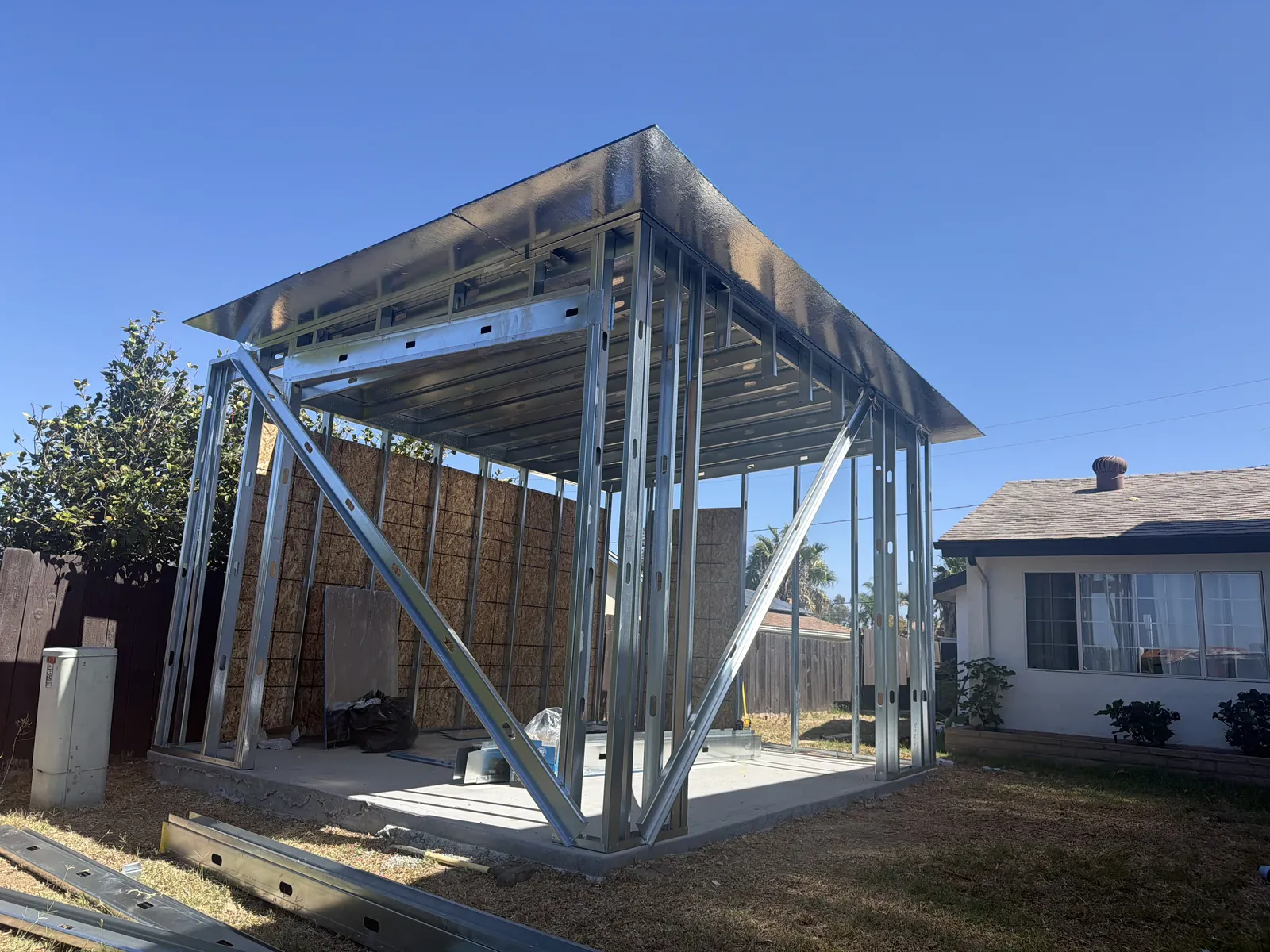
What the work can include
A coordinated path into the field
Project considerations
Questions worth resolving early
Scope / planning / coordination
What goes into this work
Commercial steel construction is more than erecting a frame: the work has to connect design intent, site realities, deliveries, trade handoffs, and the project schedule. Net & Lu Builders supports owners, developers, architects, and general contractors across San Diego County with practical coordination from early scope discussions through field execution.
A useful plan starts by making responsibilities and constraints visible. The team can review what is known, identify information still needed, and coordinate steel activities with the people responsible for foundations, building systems, the envelope, and follow-on work. San Diego and Chula Vista are primary service areas; project fit depends on scope, access, schedule, and location.
Scope to clarify
Scope and drawing coordination
Review available plans, specifications, and project information to clarify the anticipated steel work, interfaces, open questions, and responsibility boundaries. Early clarity helps the project team distinguish included work from decisions or coordination that remain outstanding.
Field sequence and trade interfaces
Coordinate the order of steel activities with site readiness and adjacent trades. Foundation completion, access for equipment, connection information, and planned follow-on work all affect when areas can be released and how work can proceed.
Site logistics and communication
Discuss delivery routes, staging limits, working areas, and access constraints with the project team. Keep decisions, field questions, and progress information moving among the parties whose work depends on the steel scope.
How to plan the work
Establish the project picture
Start with the project’s use, drawings, schedule milestones, site conditions, and known constraints. Identify what is confirmed and what needs clarification rather than relying on assumptions about access, design completeness, or field readiness.
Coordinate a buildable sequence
Map steel activities against predecessor work, deliveries, available work areas, and downstream trade needs. Raise conflicts early so the responsible project participants can decide on access, timing, and information priorities.
Track field questions and handoffs
As work progresses, communicate changing conditions and coordinate transitions to the next activity. Clear documentation of open items and agreed next steps helps the broader team respond without losing sight of the planned sequence.
Questions to ask before work starts
What should we share to discuss a commercial steel project?
Useful starting information includes the project location, current drawings and specifications, anticipated schedule, site access or staging restrictions, and the steel scope you want reviewed. If documents are preliminary, identify their status so open design decisions are not mistaken for settled requirements.
How is structural steel different from commercial metal framing?
Structural steel generally refers to the primary load-bearing frame and its coordinated members and connections. Commercial metal framing commonly describes lighter-gauge framing used for interior partitions or other assemblies. The exact scope depends on the drawings; see the structural steel versus metal framing guide for a fuller distinction.
Can steel work be planned around a constrained site?
Often the key is to surface constraints early: delivery windows, limited staging, neighboring operations, equipment access, and work-area turnover. Feasibility and the sequence depend on the actual site and project requirements, so these should be reviewed with the project team before the plan is fixed.
Planning commercial work?