Commercial construction / San Diego County
Structural Steel Contractor in San Diego
Structural steel work depends on accurate information and disciplined coordination. We help project teams identify field conditions, sequence the work, and keep structural steel activities aligned with the broader construction schedule.
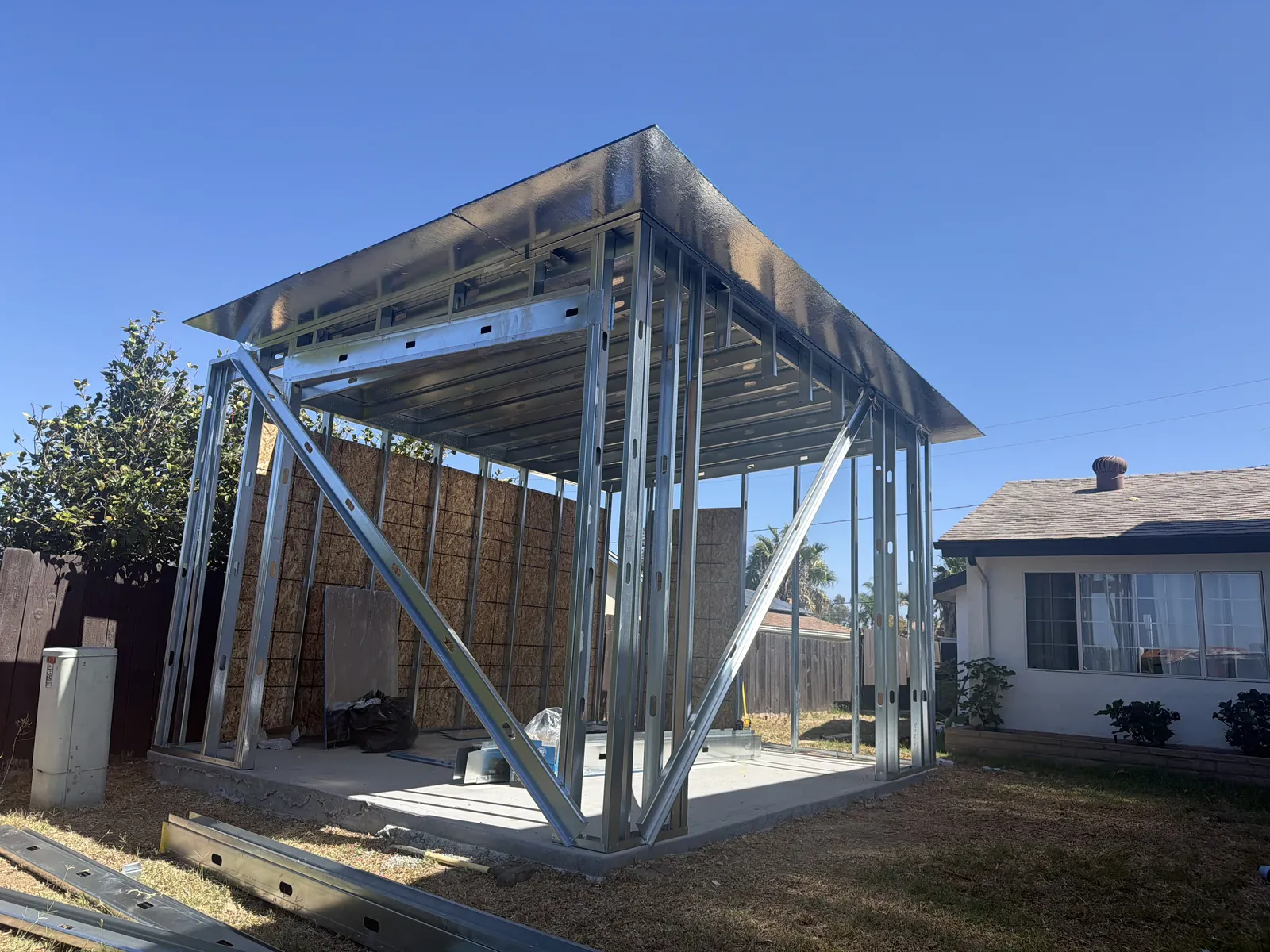
What the work can include
A coordinated path into the field
Project considerations
Questions worth resolving early
Scope / planning / coordination
What goes into this work
Structural steel forms part of a building’s primary load path, so successful field work depends on coordinated information as well as installation. Net & Lu Builders helps project teams organize structural steel scope, site readiness, delivery and access considerations, and the sequence connecting the frame to foundations and other building systems across San Diego County.
Structural steel is not interchangeable with light-gauge metal framing. Its members, connections, tolerances, and interfaces need to be coordinated with the project documents and the parties responsible for design and adjacent work. San Diego and Chula Vista are primary service areas. Early discussion can establish what information is available and where project-specific questions still need resolution.
Scope to clarify
Structural scope review
Compare available drawings and specifications to understand the anticipated steel package, interfaces, and unresolved items. Review coordination points such as bearing conditions, connection information, embeds, and the relationship between steel activities and other scopes; questions requiring design direction belong with the appropriate project professional.
Readiness and access planning
Consider whether work areas and supporting activities are ready for the planned sequence. Site access, delivery routes, equipment placement, foundation status, and available staging can influence how steel work is organized.
Frame-to-trade coordination
Coordinate steel milestones with the project schedule and the trades that follow or interface with the frame. Timely handoffs help the team plan for enclosure, building systems, and subsequent construction without treating structural steel as an isolated activity.
How to plan the work
Review the governing information
Gather current structural and architectural documents, specifications, milestone dates, and known site conditions. Confirm revision status and record missing or conflicting information for follow-up instead of assuming an incomplete detail is resolved.
Resolve coordination priorities
Identify which decisions affect sequence, access, connections, or readiness, then coordinate questions with the responsible design and construction participants. Align proposed field activities to the information and prerequisites actually available.
Coordinate field progress
Keep the project team aware of progress, access changes, open questions, and upcoming handoffs. If site conditions differ from the plan, communicate the difference promptly so the appropriate participants can determine next steps.
Questions to ask before work starts
What is needed before structural steel work can be scheduled?
The team generally needs current scope information, relevant drawings, a workable project sequence, and clarity on prerequisites such as foundation readiness, access, and delivery or staging arrangements. The exact requirements vary by project and should be checked against its documents and site conditions.
Does a structural steel contractor determine structural design?
Project design responsibilities are established by the project team and applicable agreements. Field coordination can identify questions or conflicts, but design decisions and engineering direction must come from the qualified professionals assigned to those responsibilities.
Why plan deliveries and access so early?
Structural members may require coordinated receiving, movement, equipment access, and a clear work area. A late discovery that a route or staging area is unavailable can affect sequence and other trades, so those logistics should be discussed while the project plan is being formed.
Planning commercial work?