Field planning guide / Net & Lu Builders
Steel Site Access, Delivery, and Staging
Coordinate routes, delivery windows, unloading, laydown, and installation sequence before steel arrives.
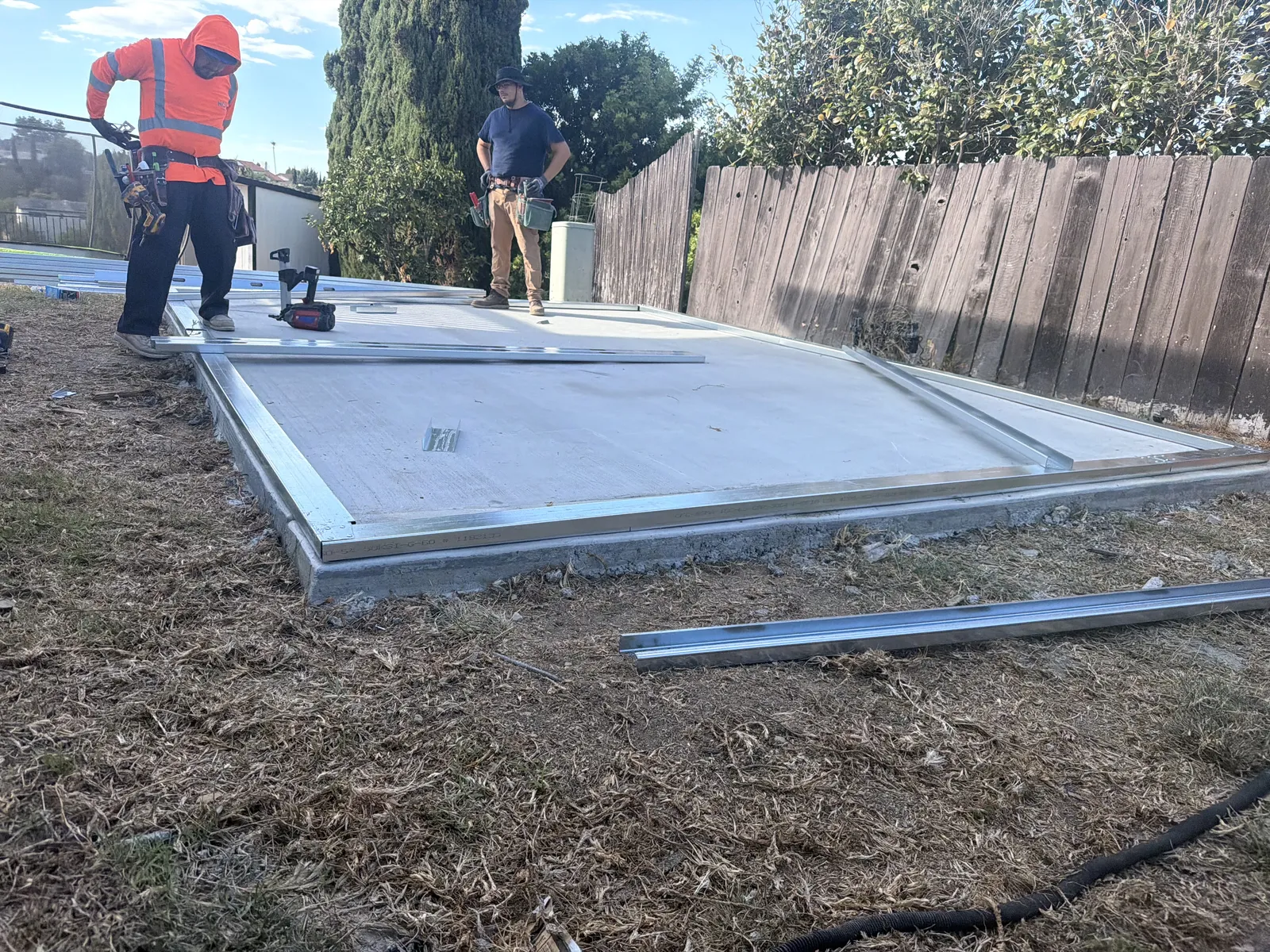
Map the complete route and its constraints
Site logistics begin beyond the property line. Map the route from the public approach to the unloading point and then to the final work area. Check gate width and height, turning space, road or surface limits, overhead lines and structures, slopes, clearances, security procedures, and any restrictions on vehicle type or delivery hours. Confirm which party authorizes entry and whether public right-of-way, neighboring property, or shared access requires separate coordination.
Walk the route with the people responsible for site operations and compare it with current site plans. Record pinch points, temporary obstructions, pedestrian circulation, emergency access, and conflicts with excavation, concrete work, other deliveries, or tenant operations. A route that worked during an early visit may change as construction progresses, so set a process for rechecking it before each planned delivery period.
Match delivery size, timing, and unloading to the sequence
Develop a delivery plan from the installation sequence and available site capacity. Identify what material is needed in each phase, how it will be unloaded, where it can be placed, and how it will move from staging to the work face. Coordinate the delivery vehicle and unloading method with available equipment, operator requirements, setup space, ground conditions, reach, and overhead clearance. Confirm any required permits, traffic control, escorts, or advance notices with the project team and applicable authorities.
Avoid treating a delivery date as a standalone commitment. Material may need approved documentation, a released work area, suitable weather protection, or a clear route before it can be received. Coordinate arrival windows with the site superintendent, the unloading crew, other scheduled deliveries, and the party controlling the staging zone. If the route or site is not ready, use the project’s communication process to reassess timing rather than allowing an unexpected truck to disrupt active work.
- Who confirms the delivery window, entrance, route, and unloading location?
- What equipment and setup area are required, and who verifies capacity and clearance?
- How will traffic, pedestrians, and emergency access be maintained during unloading?
Use staging deliberately and protect material
Laydown is a limited resource. Identify its boundaries, surface condition, bearing or support assumptions, drainage, access, security, and permitted duration. Organize material so the next planned work is retrievable without repeatedly moving unrelated stock. Keep required circulation, exits, fire equipment, utility access, and other trades’ work areas clear. If there is no safe and practical laydown area, discuss sequencing or alternate handling before committing to delivery.
Define how material will be identified, counted, inspected, and protected on receipt. Establish responsibility for unloading, damage reporting, weather protection, and inventory records. Consider exposure to moisture, contamination, vehicle impact, and unauthorized movement according to the material and project requirements. Do not store material where its weight, geometry, or handling creates an unreviewed site condition; seek direction from the responsible project personnel when capacity or support is uncertain.
Coordinate day-of changes and sequence handoffs
A useful logistics plan names a primary contact, a backup, and a method for confirming that the entrance and work zone are ready. Before dispatch or arrival, recheck route availability, weather or site conditions that affect handling, equipment availability, and the status of competing operations. At unloading, keep the agreed route clear and follow site-specific safety procedures. Record received material and any damage or discrepancy promptly through the project’s process.
Tie staging release to installation and trade handoffs. Identify when material can move, who controls the path, what protection is needed, and when the space must be returned to another operation. If a delivery is delayed or a planned work area is unavailable, communicate which sequence is affected and agree on an alternate only after checking safe access, design requirements, and downstream dependencies. Revisit the logistics plan as the job evolves; drawings, phasing, and site conditions can change, and the plan should reflect the current field rather than an obsolete assumption.