Field planning guide / Net & Lu Builders
Commercial Steel Quote Checklist
The documents, site details, schedule inputs, and scope clarifications that make a commercial steel quote easier to evaluate.
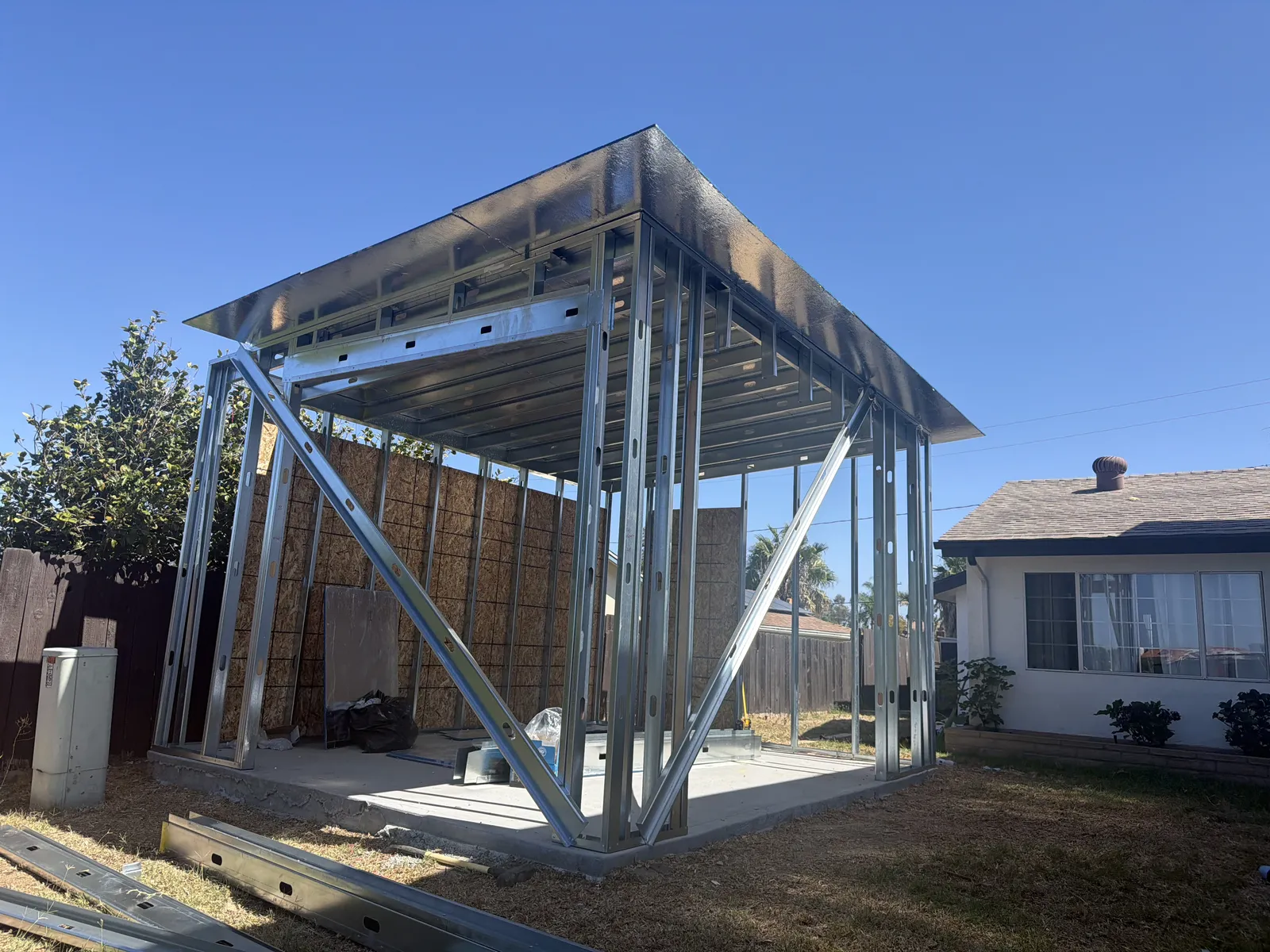
Assemble a complete, traceable document set
Send bidders the same information and identify its status. Include the current architectural, structural, and relevant civil and systems drawings; project manual sections; addenda; issued clarifications; and any available existing-condition or survey information. Provide drawing numbers, revision dates, and issue purpose. If a document is preliminary, mark it as such and identify which decisions remain open. A transmittal or document register helps everyone price the same basis instead of relying on different file versions.
Include the procurement or bid instructions, anticipated contract form if available, insurance or safety requirements that affect the work, and any required proposal format. If the work is part of a larger package, share the scope division or responsibility matrix. Identify who will answer questions and how questions should be submitted, so design clarifications are routed to the right project authority.
- Drawing register with sheet number, title, revision, and issue date.
- Specifications, addenda, bid forms, and written clarifications.
- Existing-condition records clearly distinguished from field-verified information.
Describe the site and access conditions
A quote should reflect where work occurs and how people and materials reach it. Provide the site address through the bid package, a site plan, designated entrance and delivery routes, known overhead or weight restrictions, available unloading and staging areas, and any limits on equipment placement. Explain whether parking, security check-in, escorts, badging, or advance delivery notice are required. Identify shared circulation and areas that cannot be blocked.
For active or existing buildings, describe occupied areas, operating hours, access windows, protection requirements, noise or dust restrictions, shutdown coordination, and known concealed-condition risks. State what has been surveyed or opened and what still needs verification. If site visits are permitted, define the visit process and the deadline for bidders to raise field questions.
State scope boundaries and interfaces explicitly
Define the systems and work included: for example, structural steel, commercial metal framing, specified supports, or coordination activities only where those are part of the project scope. Clarify whether furnishing, installation, engineering or delegated design, shop drawings, connection design, embeds, anchors, temporary work, touch-up, fire protection, and field verification are included, excluded, or assigned elsewhere. These items vary by contract and should not be assumed from a broad phrase such as “steel package.”
Identify interfaces at foundations, concrete, deck, roof, exterior walls, glazing, interior partitions, equipment, and building systems. State who furnishes and installs each connecting component and who confirms dimensions. Call out openings, backing, edge conditions, rated assemblies, tolerances, and required protection. Ask bidders to list exclusions and assumptions in the same format so gaps are easy to compare.
Provide schedule milestones and request clear clarifications
Share the project’s anticipated start, required completion or turnover milestones, area phasing, work-hour constraints, and known predecessor and successor activities. Identify required submittal, review, procurement, delivery, inspection, and area-release milestones where known. Ask bidders to state what schedule assumptions their quote depends on and which decisions or approvals must occur by what point. Do not ask for a firm field sequence without providing the constraints that govern it.
Request a written proposal that identifies its document basis, included scope, exclusions, allowances, alternates, assumptions, schedule basis, and validity conditions. Include a deadline and contact for clarifications. Before award, reconcile differences against the same matrix: scope, documents, site logistics, responsibilities, schedule, and open questions. Capture agreed answers in writing and distribute them with the contract documents. A thorough quote process does not remove project uncertainty, but it makes unresolved items visible before they become field disputes.
- What site, access, and staging assumptions are included?
- Which interfaces, connections, supports, and field verification tasks are excluded or by others?
- Which drawings or decisions are incomplete, and what dates are needed to support the stated sequence?
- What changed scope or differing conditions require written direction under the proposed agreement?